
By Gary Symons
TLL Editor-in-Chief
The market research company Circana says the global toy industry is booming this year, according to sales data from the United States, United Kingdom and Australia.
Circana says those toy markets are reporting significant, double-digit growth in 2026, with particularly strong demand for collectibles, trading cards, licensed merchandise and building sets.
The newly released figures from Circana show U.S. toy sales increased 20% in the first nine months of 2026 compared with the same period last year.
In the United Kingdom, toy sales rose 13% to £2.64 billion, marking the strongest growth in at least a decade. Meanwhile, Australian toy sales increased 11% in the year ending Oct. 25, with continued momentum heading into the Christmas shopping season.

The U.S. market recorded particularly strong growth in unit sales, which increased 18%, while the average selling price rose 2%. The results were driven by demand for collectibles, trading cards, licensed merchandise, and products connected to entertainment and popular culture.
“The toy industry is benefiting from a meaningful evolution in consumer behavior,” said Kristen McLean, vice president of client insights for Circana’s Entertainment Knowledge Group. “Consumers are no longer engaging with toys solely as children’s products. They’re collecting, displaying, and using them to express personal interests, and participating in communities centered around sports, gaming, entertainment, and pop culture.
“While the core children’s market remains vital, these behaviors are expanding both who buys toys, and the reasons they buy them.”
Ten of the 11 major U.S. toy supercategories recorded year-over-year dollar growth, with eight also posting increases in unit sales.
Explorative and Other Toys was the fastest-growing category, increasing 75%, led by sports cards. Games and Puzzles grew 45%, driven by strategic trading cards, including Pokémon and Magic: The Gathering. Arts and Crafts increased 23%, boosted by slime-making kits, while Building Sets grew 17%, supported by the LEGO Botanical Collection.
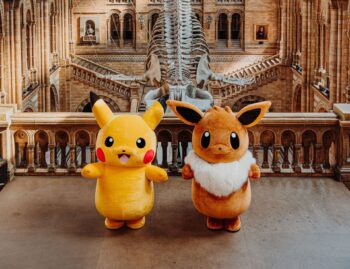
Consumers aged 12 and older accounted for the majority of U.S. toy industry growth through September. Collectible toy sales increased 56%, led by adult consumers, while licensed toys grew 27%. That latter figure shows the benefit of brand licensing, as growth of licensed toys significantly outperformed that of non-licensed, generic toys.
Sports properties were among the year’s defining licensing themes, with products connected to World Soccer, MLB and NFL franchises delivering significant gains. Pokémon remained the industry’s top property and one of its fastest-growing franchises.
The growing popularity of toys as lifestyle and personal-expression products is also influencing purchasing behavior.
Squishy toys generated $671 million in U.S. sales through September, six times the amount recorded during the same period last year. Keychains, bag charms and plush clips have also gained popularity, with keychain sales increasing more than 200% year to date.
“Toys are intersecting with fashion, social media, and lifestyle trends in ways we haven’t seen before,” McLean said. “Social platforms are helping turn squishies from simple sensory toys into highly shareable forms of self-expression, fueled by surprise formats, character-driven designs, and impulse-friendly price points.”
Social commerce is becoming another important contributor to the market. Toy sales through TikTok Shop nearly tripled in 2026, reaching $1.6 billion and making the platform the fourth-largest toy retailer in the United States. The channel now accounts for nearly 5% of all U.S. toy sales, while nearly half of consumers report purchasing products after seeing them on social media.

The growth in the United Kingdom, meanwhile, demonstrates that the industry’s expansion is not limited to adult collectors and fandom-driven purchases.
Circana reported that British shoppers purchased 257 million toys during the first nine months of 2026, an increase of 38 million, or 17%, compared with the same period in 2025. Sales to children under 12 increased 10% in the first half of the year, accounting for 64% of total toy sales.
Sales to teenagers and adults aged 12 and older also increased 22% during the first half of the year.
Melissa Symonds, UK Toys Director at Circana, said the performance of products aimed at children was particularly encouraging.
“It’s been an exceptional year for the UK toy market, with the strongest growth we’ve seen in at least a decade.
“What’s particularly encouraging is that toys bought for children are performing so well. There’s been a lot of focus on adults buying toys for themselves, but children still account for the majority of sales, and we’re seeing strong demand for toys that offer creativity, imagination, and fun.”
Building Sets were among the strongest performers in the United Kingdom, with sales increasing 32% year to date. Explorative and Other Toys, including squishy toys and stickers, grew 45%, while action figures and accessories increased 17%.
Plush toys recorded 11% growth, while outdoor and sports toys and youth electronics each increased 9%. Vehicle sales rose 7%, and traditional games increased 17%, despite a 1% decline across the broader Games and Puzzles category.
Symonds also pointed to the continuing popularity of traditional, hands-on play amid growing discussions about children’s screen time.
“With conversations around children’s screen time becoming more prominent, it’s encouraging to see such strong growth in toys bought for younger children,” she said. “Connected toys account for less than 1% of market sales, showing that traditional, hands-on play remains overwhelmingly popular.
“Whether it’s building, creating, or imaginative play, children are still finding plenty of enjoyment away from screens.”
Australia is also reporting strong growth, with toy sales increasing 11% in the year ending Oct. 25, 2026, compared with the same period in 2025. Sales during September and October were up 6% year over year.
Games and Puzzles recorded a 35% increase in sales, while Building Sets grew 14%. Explorative and Other Toys posted an even larger increase of 63%.
As in the other markets, Pokémon remained Australia’s top-selling toy property every month in 2026, supported by products marking the property’s 30th anniversary. Building Sets also benefited from demand among older children, teenagers and adults, with ranges from Icons, Editions and Pokémon.
Collectibles continued to attract shoppers, with trading cards accounting for 59% of year-to-date collectible toy sales. Sales of Miscellaneous Toys increased 55%, supported by products including NeeDoh, Clickeez, Mini Brands and Miniverse, reflecting demand for affordable, trend-driven toys and impulse purchases.
Gimantha Jayasinghe, head of Australia Toys for Circana, said consumer shopping habits are also changing as families increasingly begin their Christmas shopping earlier.
“Australians are rewriting the Christmas shopping calendar. More families are getting organised earlier, whether that’s to take advantage of special offers, secure popular toys or avoid the last-minute rush,” Jayasinghe said. “But Christmas remains a hugely important period for the toy industry, with shoppers still spending millions in the final weeks.
“The big question for 2026 is whether even more Australians will shop early or whether Black Friday and the final Christmas rush will continue to attract the biggest spending.”
Circana found that 51% of Australian shoppers began purchasing Christmas presents for their children before November in 2025, compared with 44% in 2024. More than one-third, or 36%, had completed their shopping before December, up from 32% the previous year.
Although Black Friday and Cyber Monday remain important promotional events, their share of Australian toy spending during the final five weeks of the year declined from 38.2% in 2024 to 37.5% in 2025, despite combined sales during the two promotional weeks increasing 5.4%.
Online toy sales in Australia increased 15% in 2025, accounting for 23% of annual toy spending, compared with 22% in 2024.
Across the three markets, the figures point to a toy industry benefiting from a broader consumer base and demand across multiple product categories. Collectibles, licensed properties and products connected to popular entertainment and sports are contributing to growth, while traditional toys aimed at children continue to perform strongly.
With the Christmas shopping season underway, Circana expects many of the same categories driving growth throughout 2026 to remain important during the holiday period.
In the United States, collectibles, licensed merchandise, building sets, sports-related products, arts and crafts, and fandom-driven toys are expected to be among the strongest performers.
In the United Kingdom, the final three months of the year typically account for 45% of annual toy sales. Last year’s busiest week, Dec. 14-20, generated £187 million in toy spending, with 1,354 toys sold every minute.
“The industry enters the holiday season with strong momentum and a broader consumer base than it has traditionally served,” McLean said. “Consumers continue to prioritize products that connect with their passions and interests, whether that’s sports, gaming, entertainment, or nostalgia.
“The toys that successfully tap into those emotional connections are likely to be the biggest winners this holiday season.”
Angry Birds Bounce Into Deal With Magic Jump for Licensed Inflatables
The post U.S. Market Leads Global Surge in Toy Sales Ahead of Holiday Season appeared first on The Licensing Letter.